
How buying direct works
There’s no trade account, no quote process and no fitting service to book. Here’s the whole thing, start to finish.
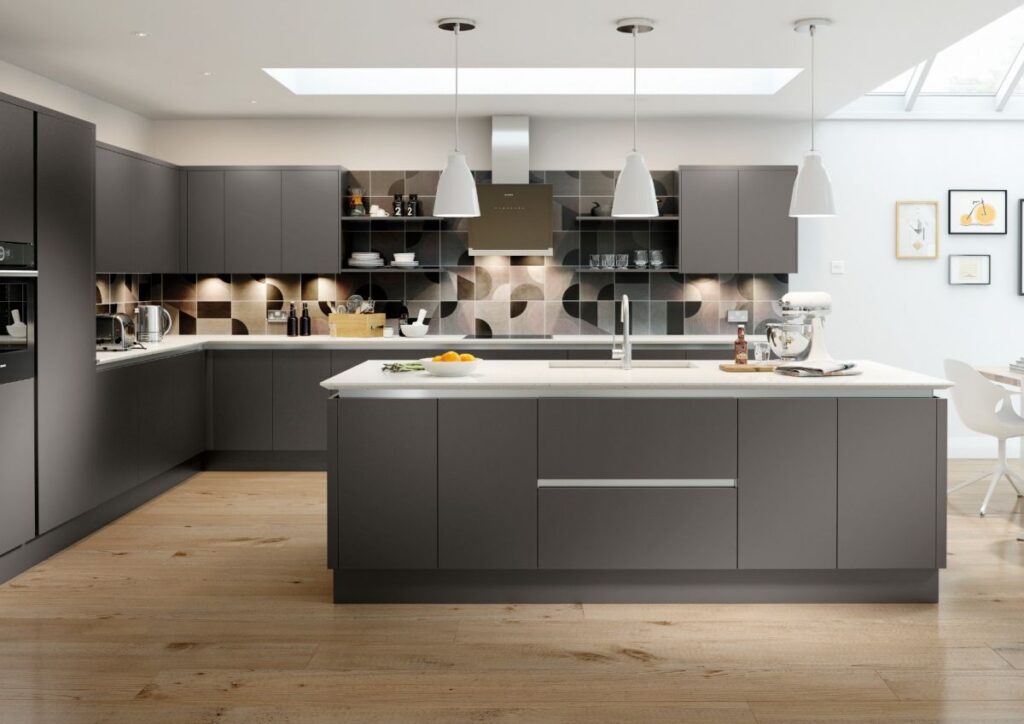
Step 1 — Work out what you need
Most kitchen projects fall into one of three shapes: a full replacement, a surface refresh, or a single item that’s failed or dated. All three work the same way here — you’re choosing individual components rather than a package.
If you’re replacing surfaces, measure before you order. Our measuring guides cover worktops, splashbacks, upstands, window cills and hob panels, including how to handle corners, joins and cut‑outs for sinks and hobs.
If you’re buying appliances, check the aperture dimensions in your existing units, not the appliance you’re replacing — built‑in sizes vary more than people expect.
Step 2 — Choose your range and finish
Our surface ranges run in matching finishes across worktops, splashbacks, upstands, window cills and hob panels. Pick a finish first, then work through the components you need in it. Every product page lists the full specification: material, dimensions, thickness, finish, weight, guarantee and care instructions.
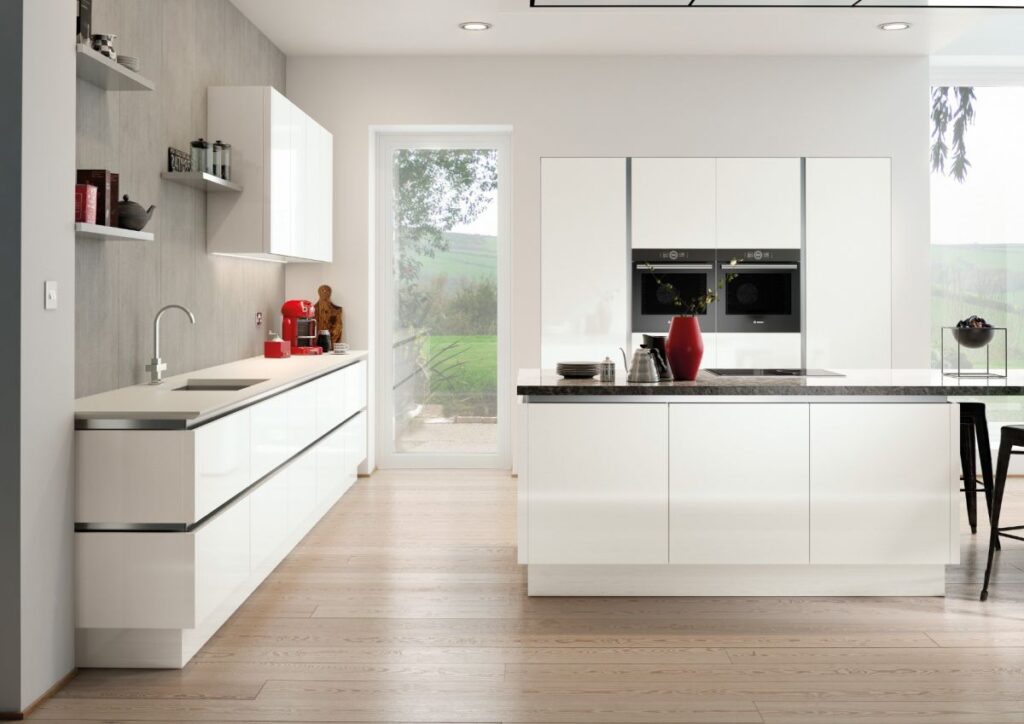
Step 3 — Order online
Add everything to your basket and check out. You’ll see the price of each component and the delivery cost before you pay.
Step 4 — Check your delivery
Surfaces are long, heavy and easily damaged in transit. When your delivery arrives, check the items before you sign for them, and let us know straight away if anything isn’t right.
Step 5 — Fit it
Some of this is genuinely a DIY job. Fitting a splashback, an upstand or a window cill is well within reach of a competent DIYer with the right tools. Cutting and joining a worktop is harder, and worth being honest about — it’s doable, but a mistake is expensive.
Some of it isn’t a DIY job at all, and we’d rather say so:
- Gas hobs and gas ovens must be installed by a Gas Safe registered engineer. Anyone carrying out gas work in the course of business is legally required to be registered, and gas work is not a DIY job.
- Hardwired electrical work — including most ovens and induction hobs — should be done by a qualified electrician and may be notifiable building work.
- Plumbing for dishwashers and washing machines is straightforward in an existing installation, less so if you’re moving anything.
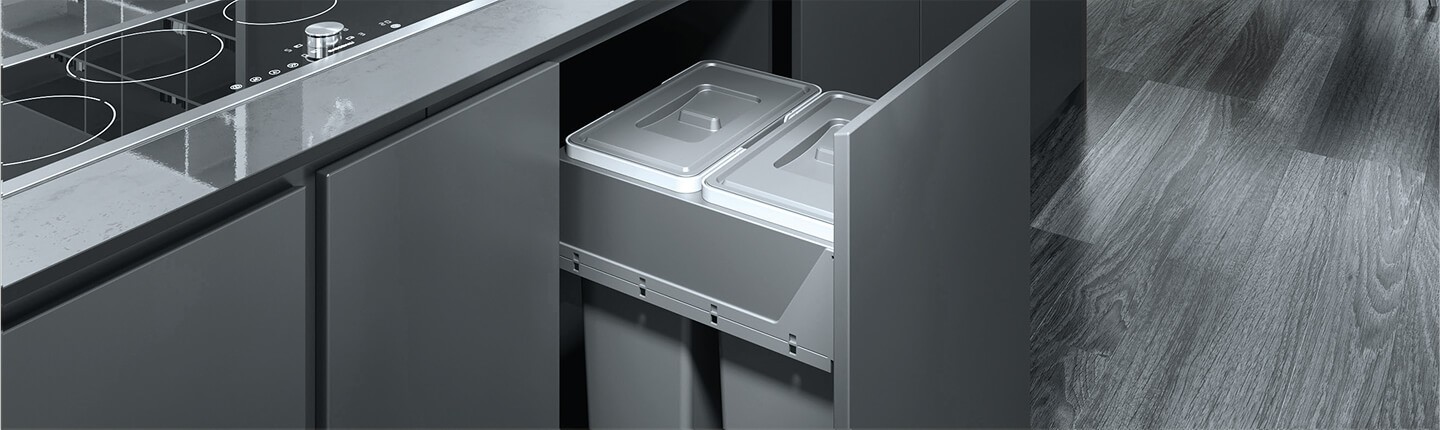
One finish, right through the kitchen
Our surface ranges run across worktops, splashbacks, upstands, window cills and hob panels in the same finish, so everything matches without you having to chase it down from three different suppliers.
Buying a kitchen
without a showroom
Buying direct doesn’t mean doing everything yourself. It means you choose who does what, and you’re not paying a supplier’s margin on top of it.